Consulting partner for Chinese companies entering Brazil · Curitiba

Start business in Brazilwith a clear roadmap

A consulting firm in Curitiba, Brazil: market study, requirements mapping, digital presence and go-to-market. Licensed professionals are introduced and contract directly with you; technology comes from JBKR, 20 years in Brazil.

US$171
bn Brazil–China trade in 2025, an all-time record
US$6.1
bn Chinese direct investment in Brazil in 2025, up 45%
10.9%
of China’s outbound investment went to Brazil in 2025 · #1 destination worldwide
20+
years of technology partner JBKR in Brazil’s tech industry
01 — Three walls

Why do Chinese companies slow down in Brazil?

Not because the market is weak, but because of three walls nobody shows you. Our job is to draw each wall clearly and plan the path through it.

We map all three walls, plan the path through them, build the digital side ourselves and introduce licensed professionals for the rest.

ShanghaiParanaguá
The sea lane from Shanghai to Paranaguá: South China Sea, Malacca, Indian Ocean, Cape of Good Hope and the South Atlantic — about 35 to 45 days.
02 — Roadmap

The entry roadmap: from first call to local operation

A consulting route, not a list of legal milestones. Every step names its deliverable and its owner; licensed professionals contract directly with you.

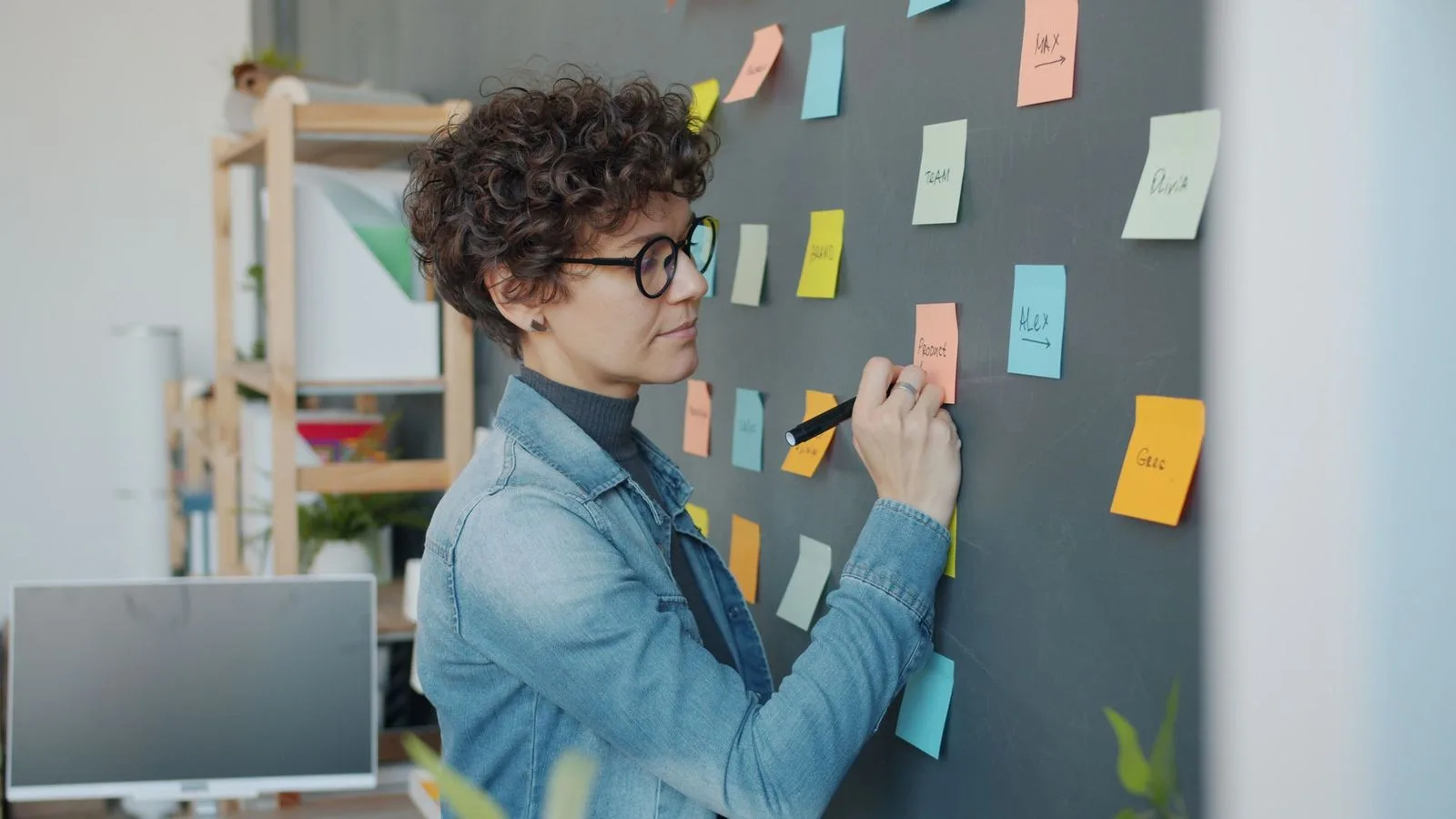
  1. Chinese and Brazilian professionals in a discovery meetingWeek 0

    Discovery call

    A 60-minute video call (professional Chinese interpreter available): your product, target customers and budget, and whether Brazil is worth entering and from where.

    Deliverable: Entry-assessment proposal and quote beonshore (consulting)
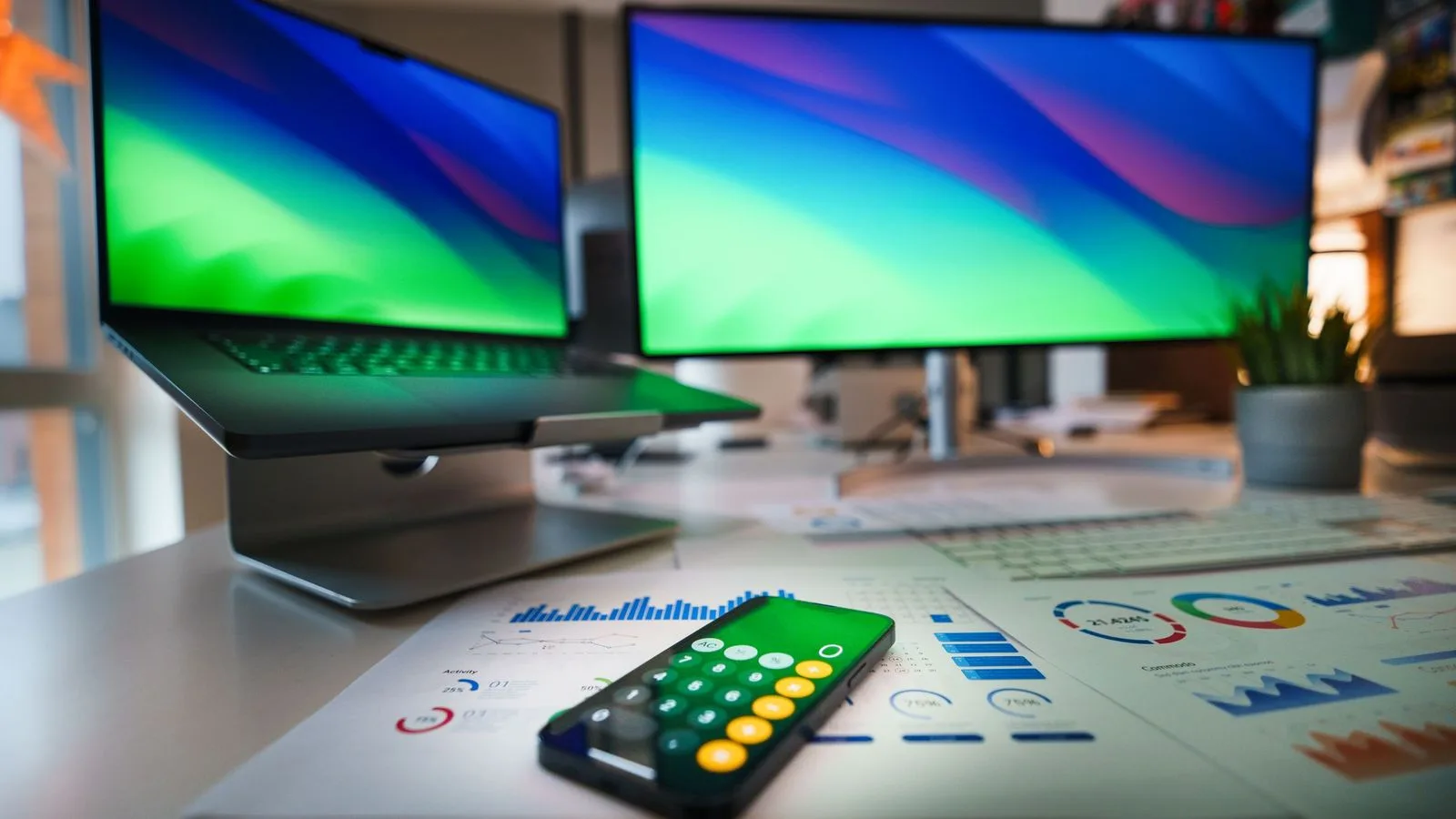
  2. Desk with printed dashboards and spreadsheets for a market studyWeeks 1–4

    Market study and entry assessment

    Sector size, competitors and price points, distribution channels, regional choice (Paraná vs São Paulo), incentive landscape, entry budget and timeline.

    Deliverable: Decision report (Chinese and English) beonshore (consulting)
  3. Handshake introducing a licensed professionalWeeks 3–6

    Requirements roadmap and partner introductions

    Everything your business will need in Brazil: entity options, tax regime overview, licences and product certifications, import habilitation, labour and LGPD points, visa needs, each with the licensed professional who executes it, lead time and cost range.

    Deliverable: Requirements roadmap + introduction meetings Licensed professional (contracts directly with you)
  4. Professional reading a WhatsApp conversation on a phone at a deskWeeks 6–10

    Digital presence live

    Portuguese .com.br website, Brazilian SEO and AI-assistant discoverability, LGPD-compliant, WhatsApp Business official API channel and CRM. Delivered directly by JBKR.

    Deliverable: Website + WhatsApp channel live JBKR (technology)
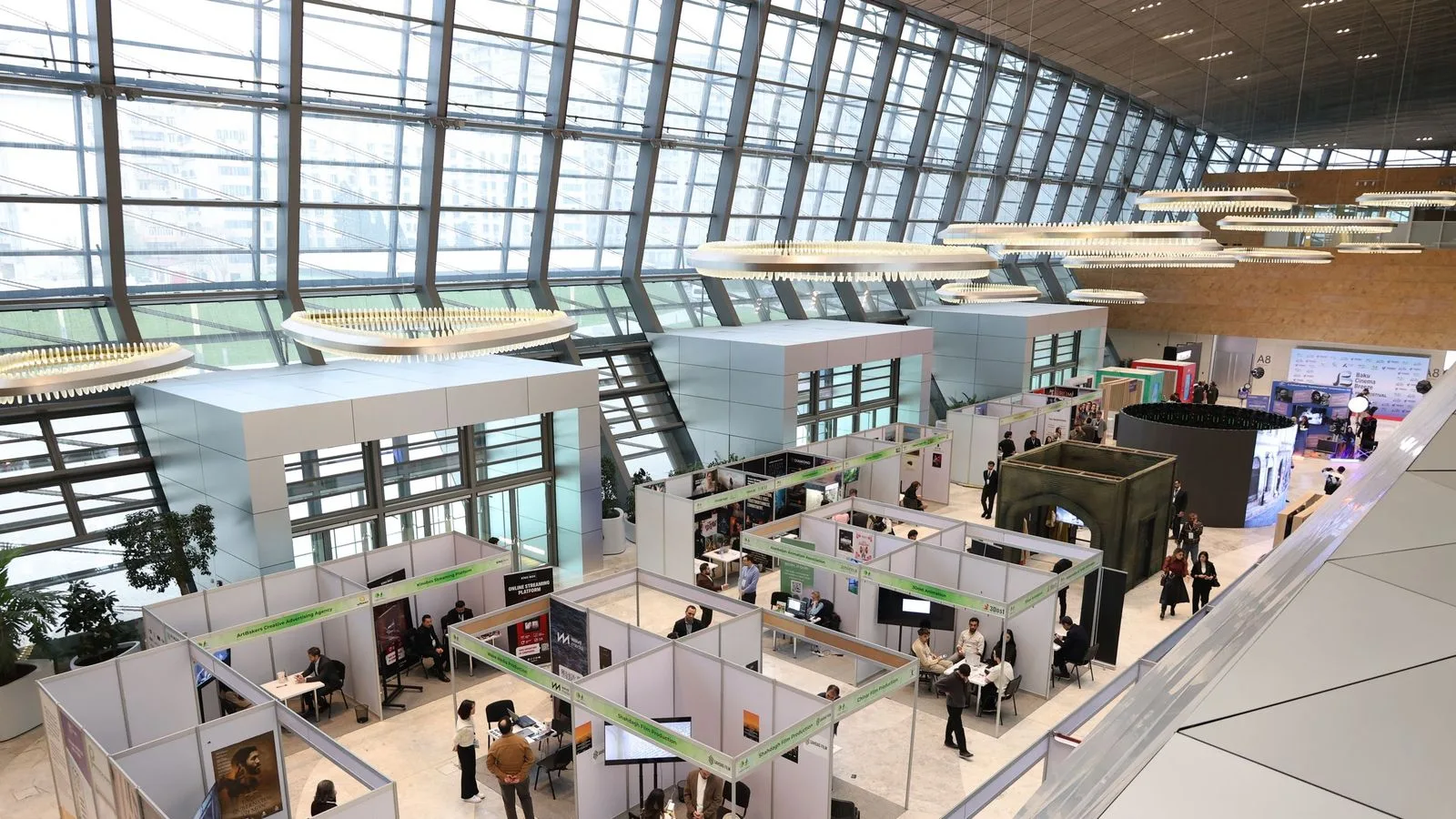
  5. Trade-show hall with exhibition stands and visitorsWeeks 8–12

    Go-to-market and sales channel

    Portuguese WhatsApp sales agent, lead routing, distributor and partner search, trade-fair and delegation agendas, local sales process design.

    Deliverable: Go-to-market plan + first partner shortlist beonshore (consulting)
  6. Bright open-plan office with a city viewOngoing

    Local presence and ongoing support

    One point of contact in Curitiba, partner-network coordination, operations and technology advisory (ERP to NF-e, IBS/CBS), monthly reporting. One WeChat number for anything Brazil.

    Deliverable: Monthly report + on-call response beonshore (consulting)
03 — Services

Five consulting offers for every stage of entering Brazil

Each offer has explicit deliverables, an indicative timeline and a fee model. We do not provide legal, accounting, customs or immigration services; we identify the requirements and introduce licensed professionals who contract directly with you.

See all services
04 — Market

In 2025 Brazil became the #1 destination of Chinese outbound investment

Chinese direct investment in Brazil grew fast for the second year running, led by electricity, mining and automotive; the South region took 14%. Data as of May 2026.

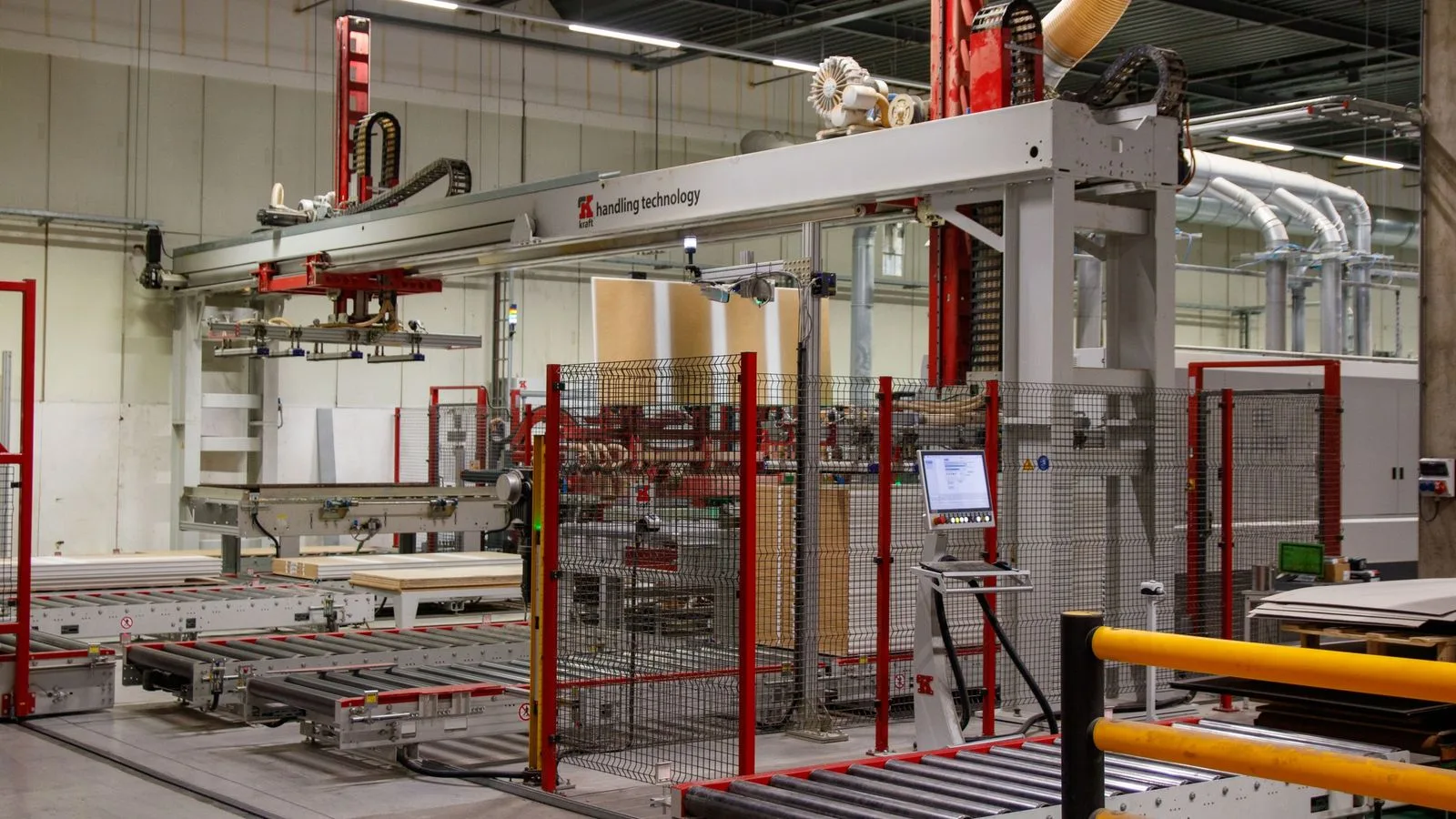
Automated handling line in a modern manufacturing facility
6.1US$ bn+45%Chinese direct investment in Brazil, 202510.9% of China’s outbound investment that year, the largest share of any country
85.5US$ bn
cumulative Chinese investment in Brazil, 2007–2025 Source: CEBC · 2026-05-07
355projects
Chinese investment projects realised in Brazil, 2007–2025 Source: CEBC · 2026-05-07
965US$ m+66%
Chinese automotive investment in 2025 Source: CEBC · 2026-05-07
14%
of Chinese investment in 2025 went to Brazil’s South region Source: CEBC · 2026-05-07

Six sectors the capital is going into

Read the full market study
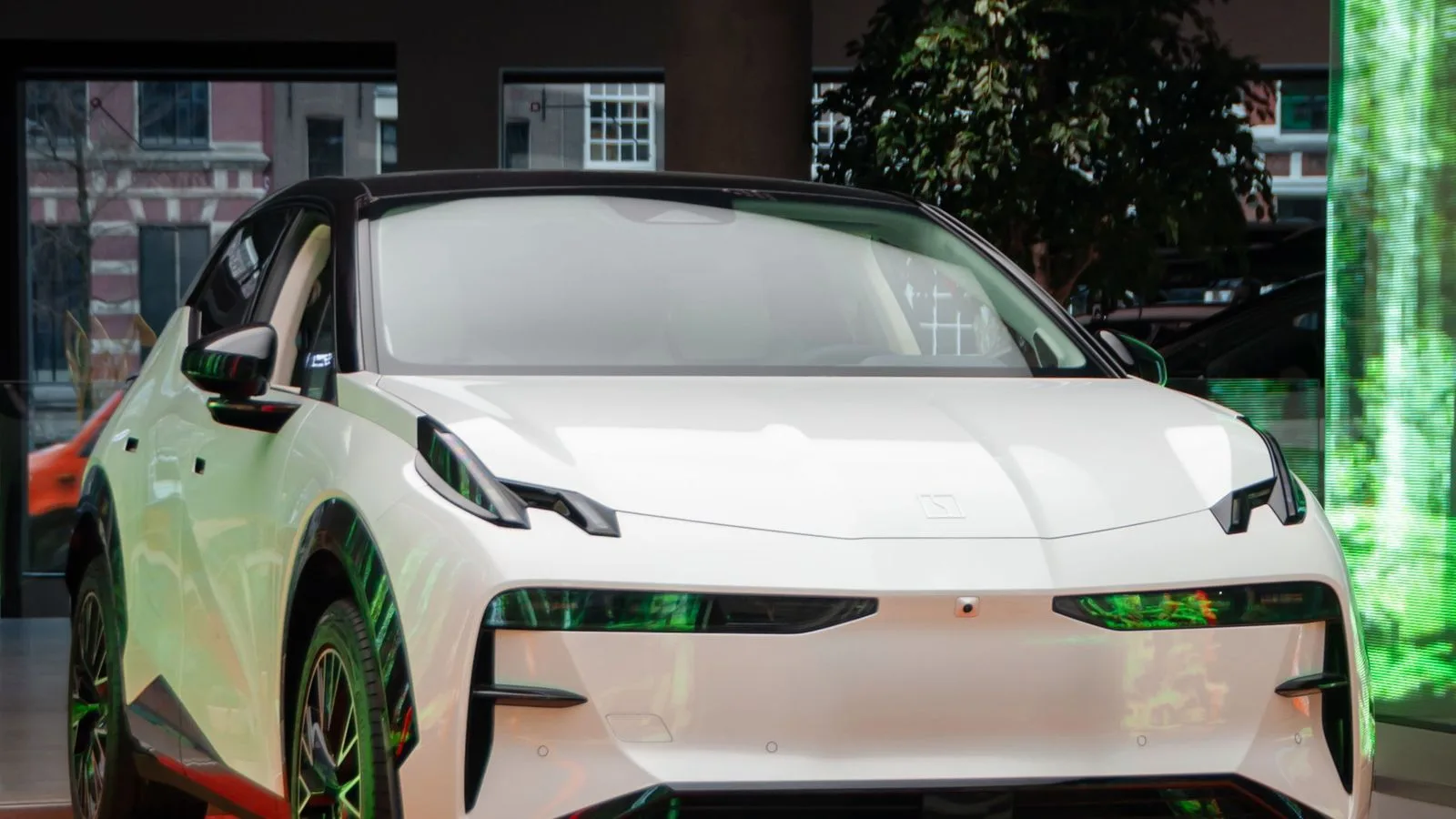
  • White electric car on display in a modern showroom

    Electric vehicles and parts

    Chinese brands already hold over 10% of Brazilian car sales

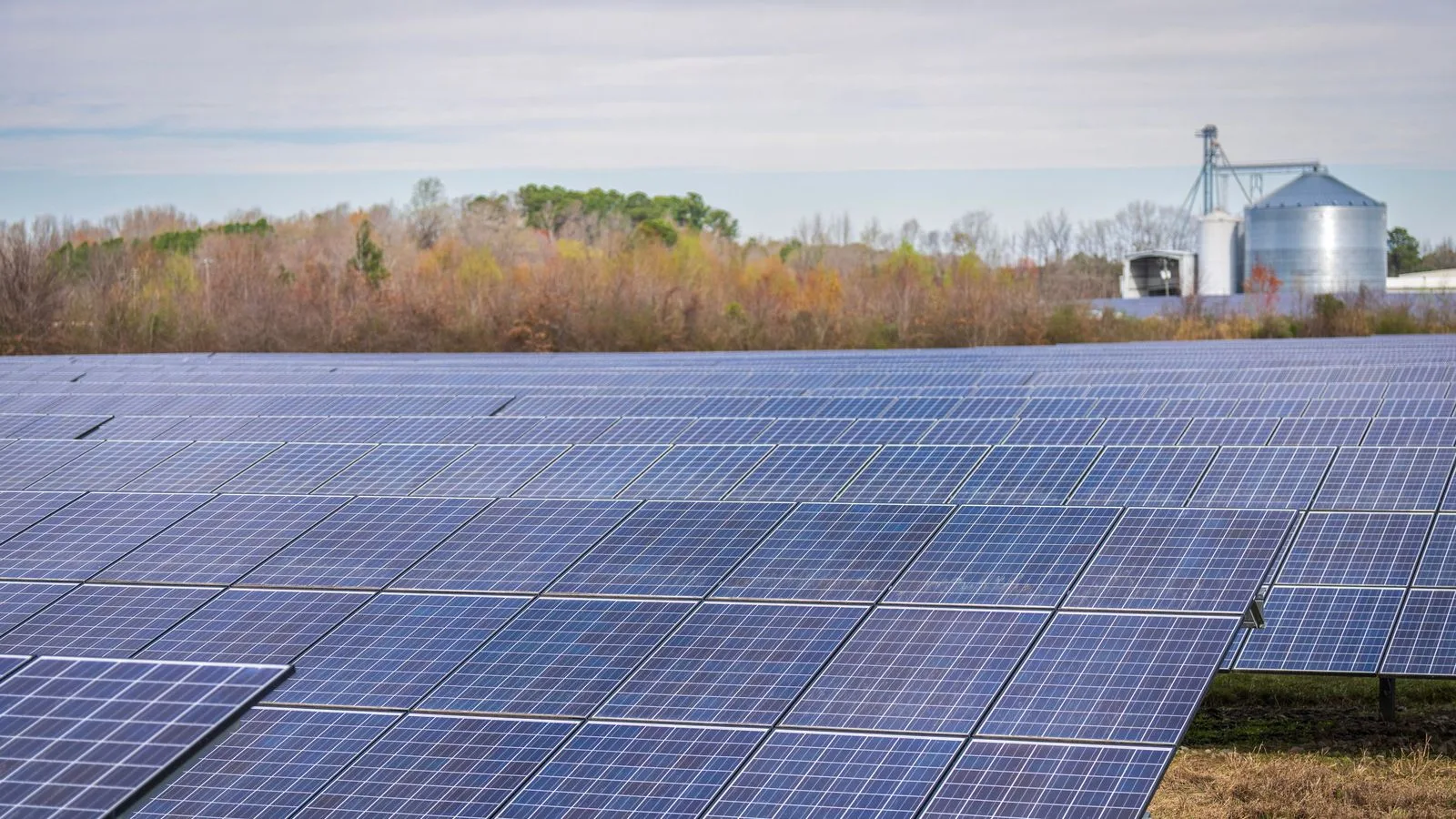
  • Large field of photovoltaic panels under a clear sky

    Solar and storage

    25% import tax above quota is pulling assembly onshore

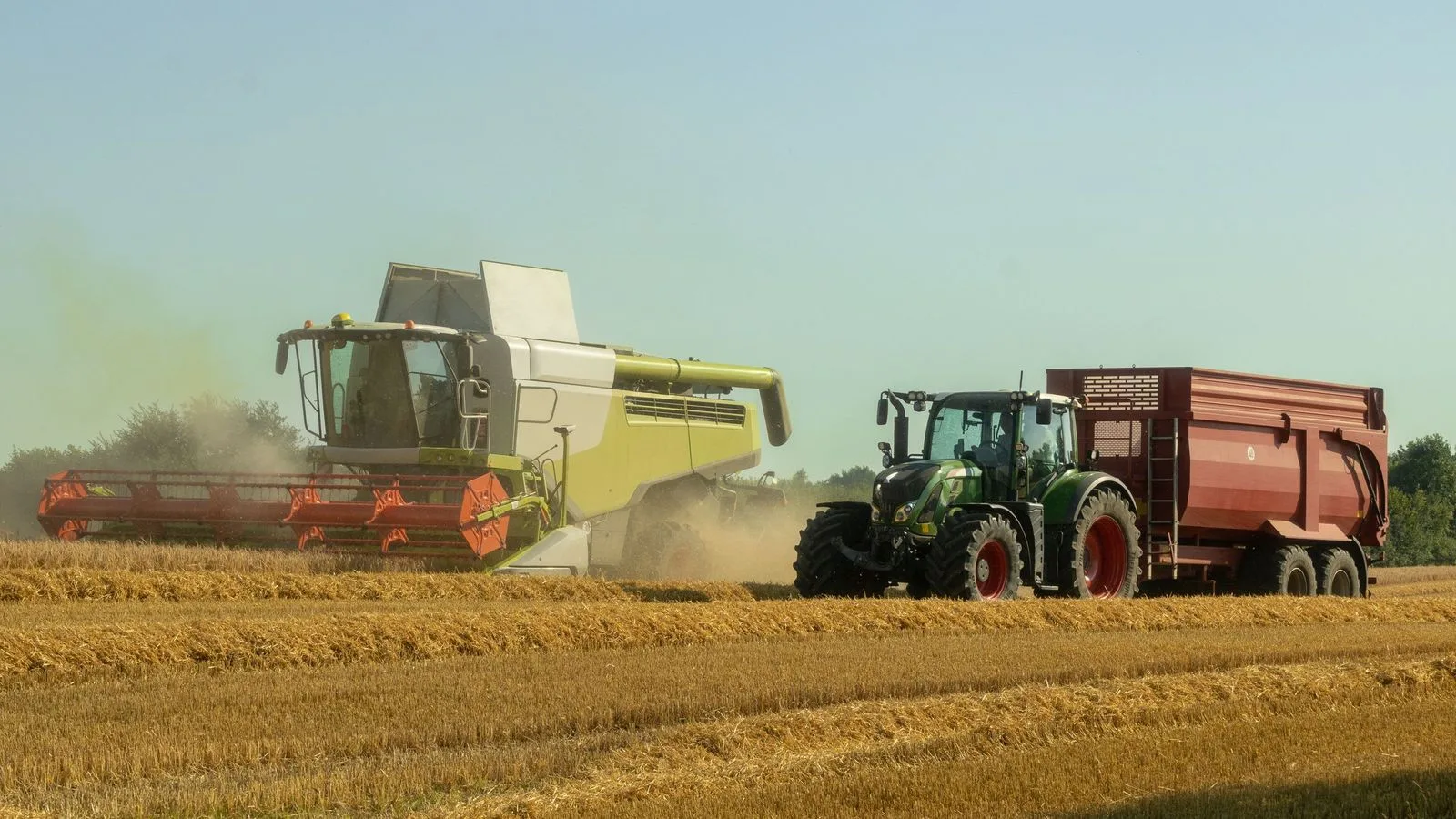
  • Combine harvester and tractor working a sunlit wheat field

    Agricultural and construction machinery

    XCMG targets 55% local content by 2026

  • Terraced benches and haul trucks in an open-pit mine

    Mining and oil

    US$1.76 bn of Chinese mining investment in 2025

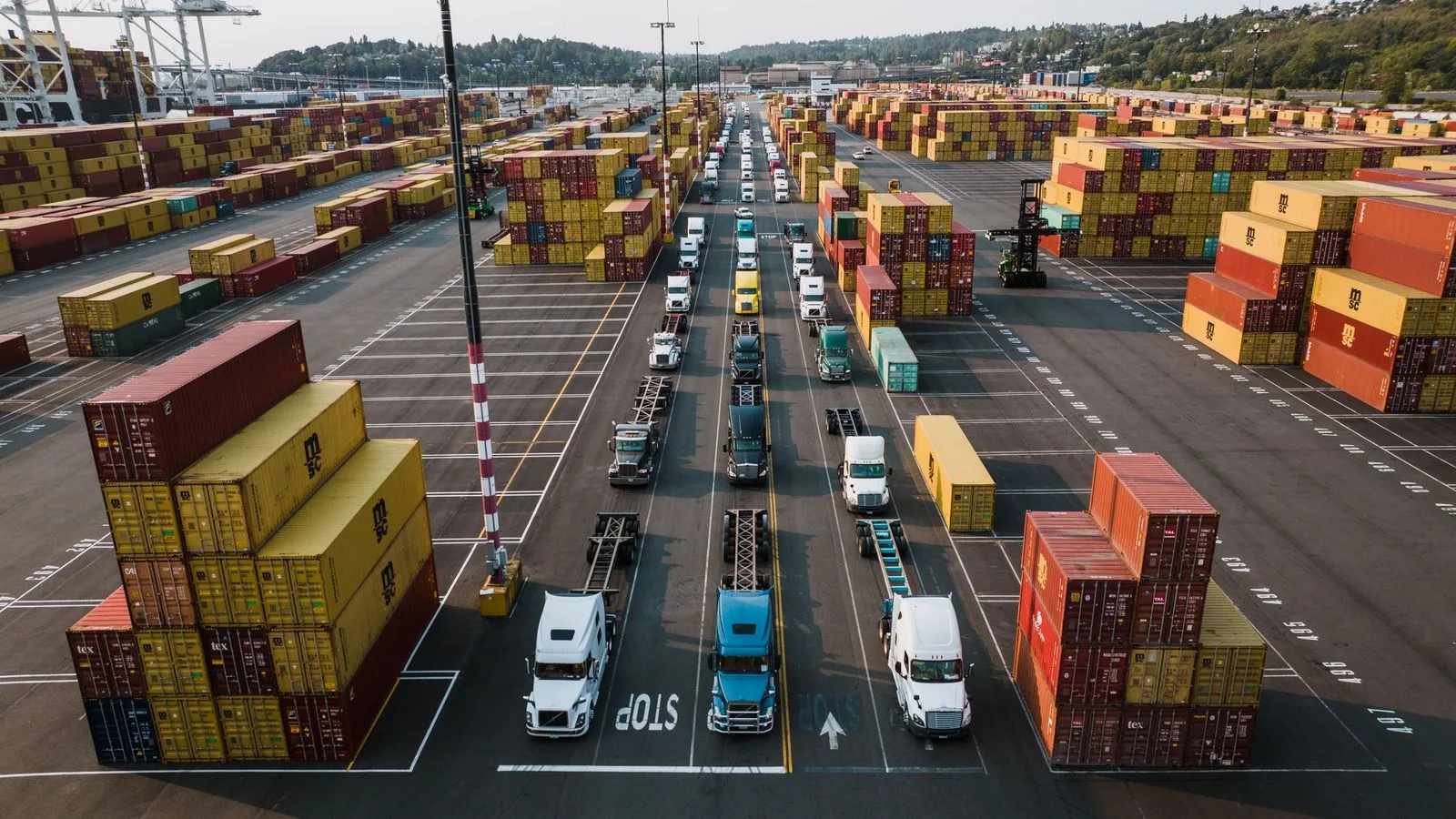
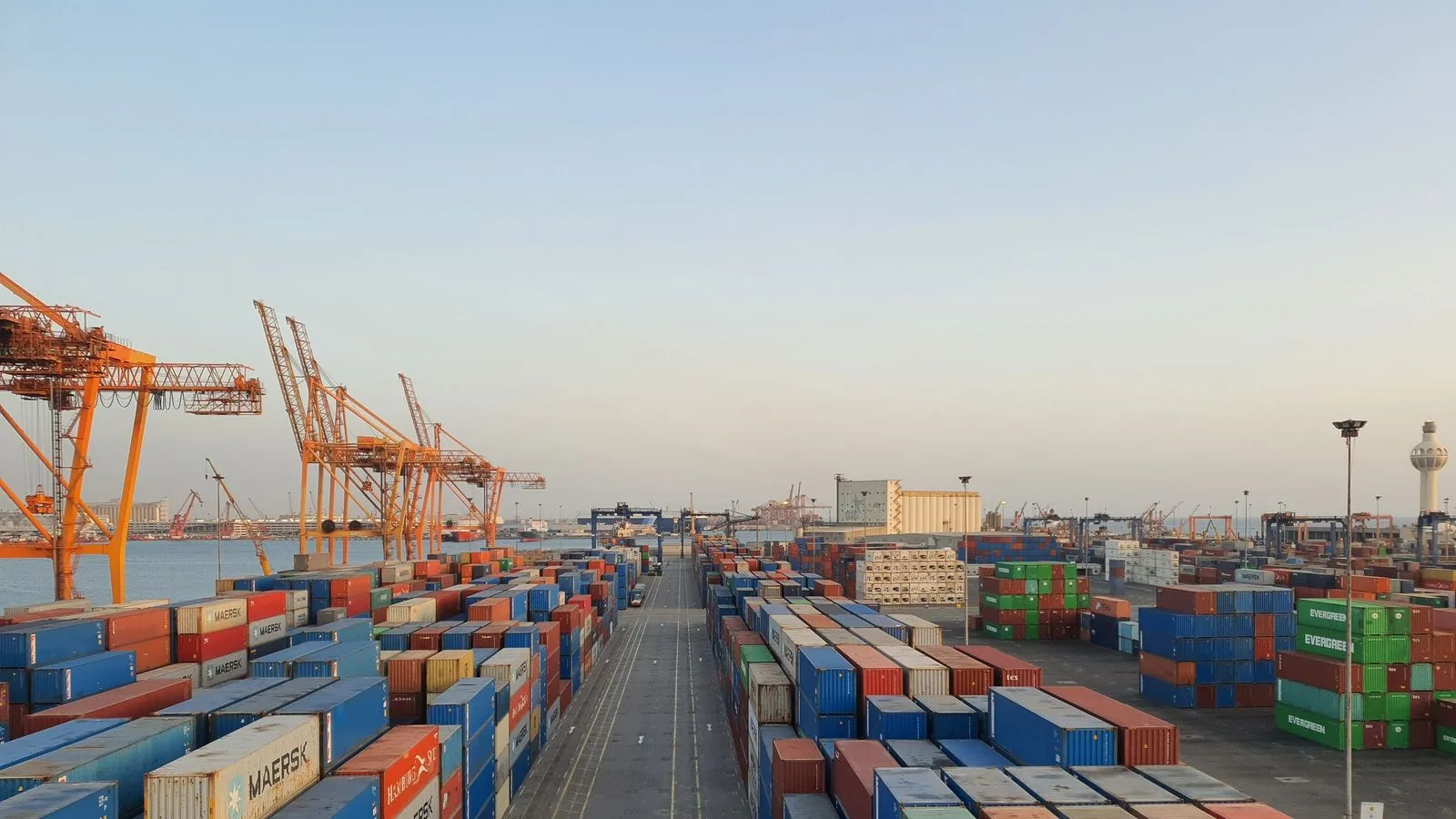
  • Stacked shipping containers with trucks queuing in a port yard

    E-commerce and logistics

    Temu reached 39 m monthly users in six months

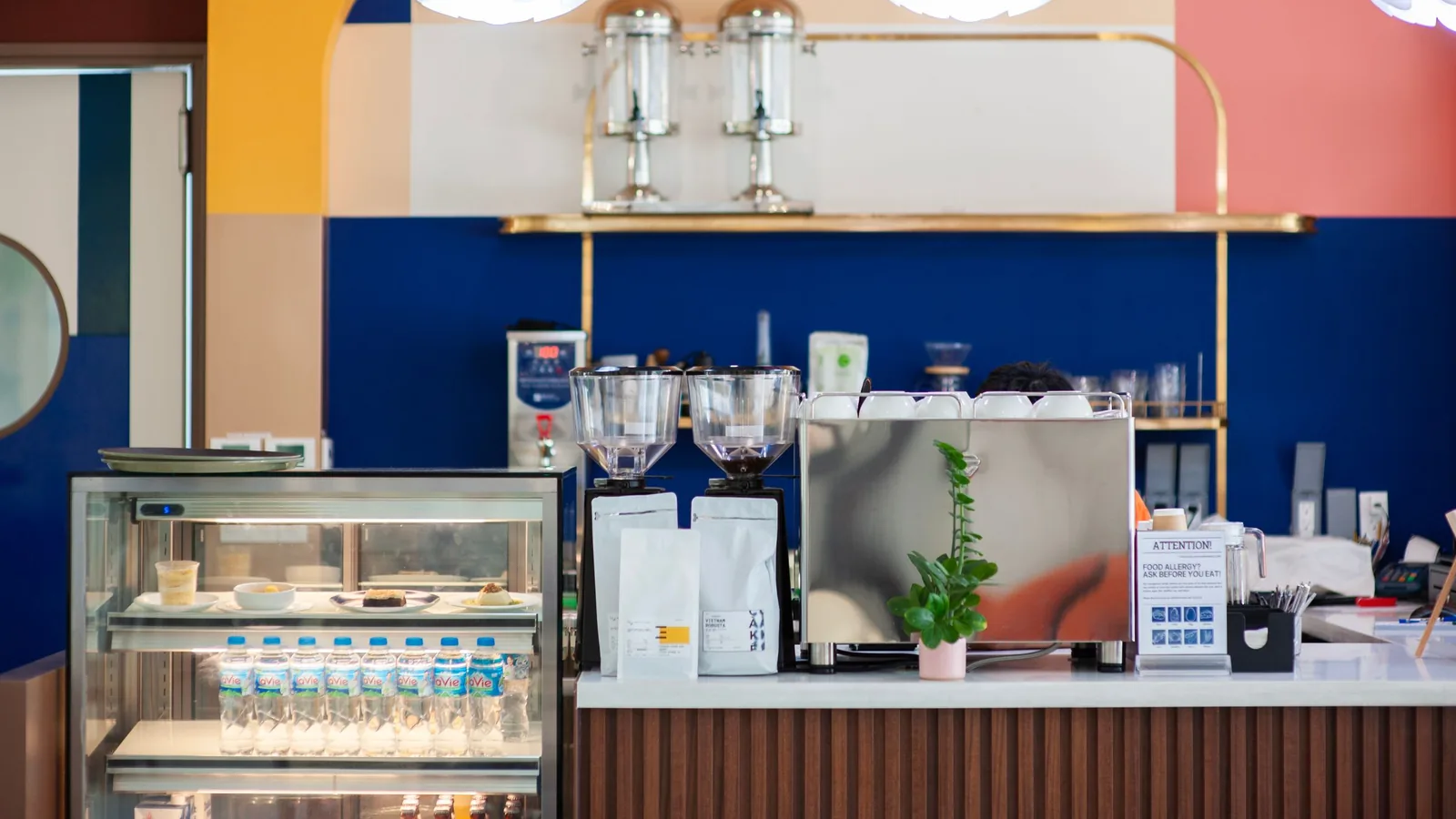
  • Counter of a bright modern tea and coffee shop

    Food and beverage franchises

    Mixue committed R$3.2 bn to Brazil

05 — Why South Brazil

Paraná: closer to the port, further from São Paulo prices

Curitiba is about 90 minutes from the port of Paranaguá, with mature automotive, machinery and agribusiness clusters, and Chinese companies already on the ground.

  • China is Paraná’s largest export marketUS$5.3 bn exported to China in 2025, 22.5% of the state’s total; about 80% of Paraná’s soybeans go to China.
  • Linglong: US$1.2 bn tyre plantLinglong (XBRI) is investing US$1.2 bn (R$6.7 bn) in its first South American plant in Ponta Grossa: 1,300 jobs in phase one, production from H1 2027.
  • Geely at Renault do BrasilGeely holds 26.4% of Renault do Brasil with R$3.8 bn invested; the EX5 and EX2 are built in São José dos Pinhais from H2 2026.
  • TCP terminal expansion at ParanaguáChina Merchants Port’s TCP signed a R$1.5 bn expansion agreement in Shanghai in November 2025.
Why Paraná
Container terminal
AcreAlagoasAmazonasAmapáBahiaCearáDistrito FederalEspírito SantoGoiásMaranhãoMinas GeraisMato Grosso do SulMato GrossoParáParaíbaPernambucoPiauíParanáRio de JaneiroRio Grande do NorteRondôniaRoraimaRio Grande do SulSanta CatarinaSergipeSão PauloTocantins
Paraná (highlighted) and the port of Paranaguá · Curitiba is the state capital
06 — Technology partner

Technology delivered by a company with 20 years in Brazil’s tech industry

JBKR was founded in Curitiba in 2006 by Jean C Becker, Senior Solutions Architect and AI specialist.

beonshore does not outsource its digital deliverables. Websites, WhatsApp channels, CRM and government-system integrations are built directly by JBKR, a company that has delivered 100+ projects in Brazil since 2006 and maintains the same ERP it built in 2009.

JBKR has worked for CAOA Chery, the Chinese-brand automotive operation in Brazil; for Unilever Brasil (OMO and Kibon, five consecutive projects); and for Unimed Paraná, the state’s largest healthcare cooperative. On Workana, JBKR holds a HERO rating of 4.96/5 across 65 reviews.

  • Government and compliance integrationsNF-e, NFC-e, national-standard NFS-e, IBS/CBS tax-reform readiness, split payment, Pix, gov.br, LGPD
  • WhatsApp sales agents (product Apicio)official Meta API, Portuguese audio
  • AI governance (product AironCore)LLM firewall
  • Custom software, mobile apps and websites built for Brazilian SEO
Visit jbkr.com.br

Jean C Becker
Jean C BeckerFounder · Senior Solutions Architect | AI & Machine Learning Specialist LinkedIn
2006
founded in Curitiba
100+
projects delivered
4.96/5
Workana HERO rating · 65 reviews
5
consecutive Unilever Brasil projects

Clients served by JBKR

CAOA CheryUnilever — OMOKibonUnimed ParanáEurobikeCurso Positivo
07 — Playbooks

Read the playbook before you decide

Four sourced, dated playbooks: the requirements checklist to start a business, WhatsApp sales, the IBS/CBS tax reform and importing machinery.

See all playbooks
01

Requirements to start a business in Brazil in 2026

The requirements checklist to start a business in Brazil is the full set of registrations, tax obligations and compliance items a Chinese company must satisfy between deciding to enter and operating legally. In 2026 that means shareholder CPF/CNPJ, a resident attorney-in-fact, the entity itself, central-bank SCE-IED registration, a bank account, state and municipal registrations, RADAR import habilitation, labour and LGPD. Each item is executed by a lawyer, an accountant or a customs broker; beonshore maps them and makes the introductions.

Read the playbook
02

Selling on WhatsApp in Brazil: the mistakes Chinese brands make

WhatsApp is Brazil’s default sales and service channel: about 147 million users, and 60% of Brazilians have bought something through it (Opinion Box, 2025). The recurring mistake Chinese brands make is treating it as a copy of WeChat — unofficial APIs, no Portuguese voice notes, slow replies, no catalogue and no invoice. This playbook lists seven mistakes and what to do instead.

Read the playbook
03

What the IBS/CBS tax reform means for a foreign-owned subsidiary

Brazil’s consumption tax reform (Constitutional Amendment 132/2023) replaces PIS, COFINS, ICMS and ISS with two value-added taxes: the federal CBS and the state-and-municipal IBS. 2026 is the test year, CBS applies in full from 2027, IBS gradually replaces ICMS and ISS between 2029 and 2032, and the new system is fully in force in 2033. For a Chinese-owned subsidiary, that means pricing, ERP and cash flow all have to be redesigned to the new rules.

Read the playbook
04

Importing machinery: RADAR, INMETRO and a realistic 90-day path

Importing machinery from China into Brazil means running three things in parallel: the importer’s RADAR/Siscomex habilitation, mandatory product certification (INMETRO 60–120 days, ANATEL 90–180 days) and a customs broker engaged before the vessel arrives. This playbook sets out a realistic 90-day path, the tariff points that matter and the most common causes of delay. Data as of September 2026.

Read the playbook
08 — How we work

A way of working designed for Chinese executives

Five promises, made before the contract.

WeChat reply within the hour

During China business hours, WeChat messages are answered within the hour; outside them, within one business day.

Precise timelines, then beat them

Every deliverable has a week number and an owner. We would rather quote a conservative timeline than keep you waiting.

You never manage the partners

Lawyers, accountants, customs brokers and certifiers contract directly with you, but we coordinate their progress and communication.

Hierarchy and face respected

Meetings are arranged by seniority on your side; our team carries Chinese name cards and can bring a professional interpreter.

Beijing and Brasília hours

Service hours are 08:00–18:00 Brasília, which is 19:00–05:00 next day Beijing; for urgent matters, WeChat at any time.

09 — FAQ

Frequently asked questions

Will beonshore open our company in Brazil?

No. beonshore is a consulting firm and does not provide legal, accounting, customs or immigration services. We identify every requirement your business will face and introduce vetted licensed professionals (lawyers, accountants, customs brokers, certifiers); they contract directly with you, and we coordinate their progress.

What is the first step and how long does it take?

The first step is a paid entry assessment: a 60-minute call in week 0, then the market study and decision report in weeks 1–4. Within four weeks you hold a report you can take to your board before deciding whether to enter.

Why Paraná rather than São Paulo?

It depends on your business. Paraná is close to the port of Paranaguá, has mature automotive and machinery clusters and costs less than São Paulo; Linglong and Geely have already invested there. São Paulo has the largest market. Regional choice is part of the market study, and we deliver the comparison.

How do you charge?

Market study and requirements roadmap are fixed fees; digital presence is a project; go-to-market is project plus monthly; local support is a monthly retainer. Everything is invoiced in BRL by a Brazilian entity, and third-party professional fees are not included.

Can we communicate in Chinese?

Yes. We work natively in Portuguese and English, and Chinese communication runs through a professional interpreter partner; written materials are delivered in Chinese and English. WeChat is our main Chinese-language channel.

What is JBKR’s role?

JBKR is beonshore’s technology partner and part of the same Brazilian company. Websites, WhatsApp channels, CRM and NF-e/ERP integrations are delivered directly by JBKR, with no third parties.

Start with one call

Tell us your product and your goal. We reply within one business day and tell you whether Brazil is worth entering and where to start.

Reply within one business day; on WeChat, usually within the hour during China business hours.

beonshore WeChat QR code
WeChat · beonshore